
Resources
Marine Surveying Guides
Practical guides and professional insight for yacht and small craft surveyors.
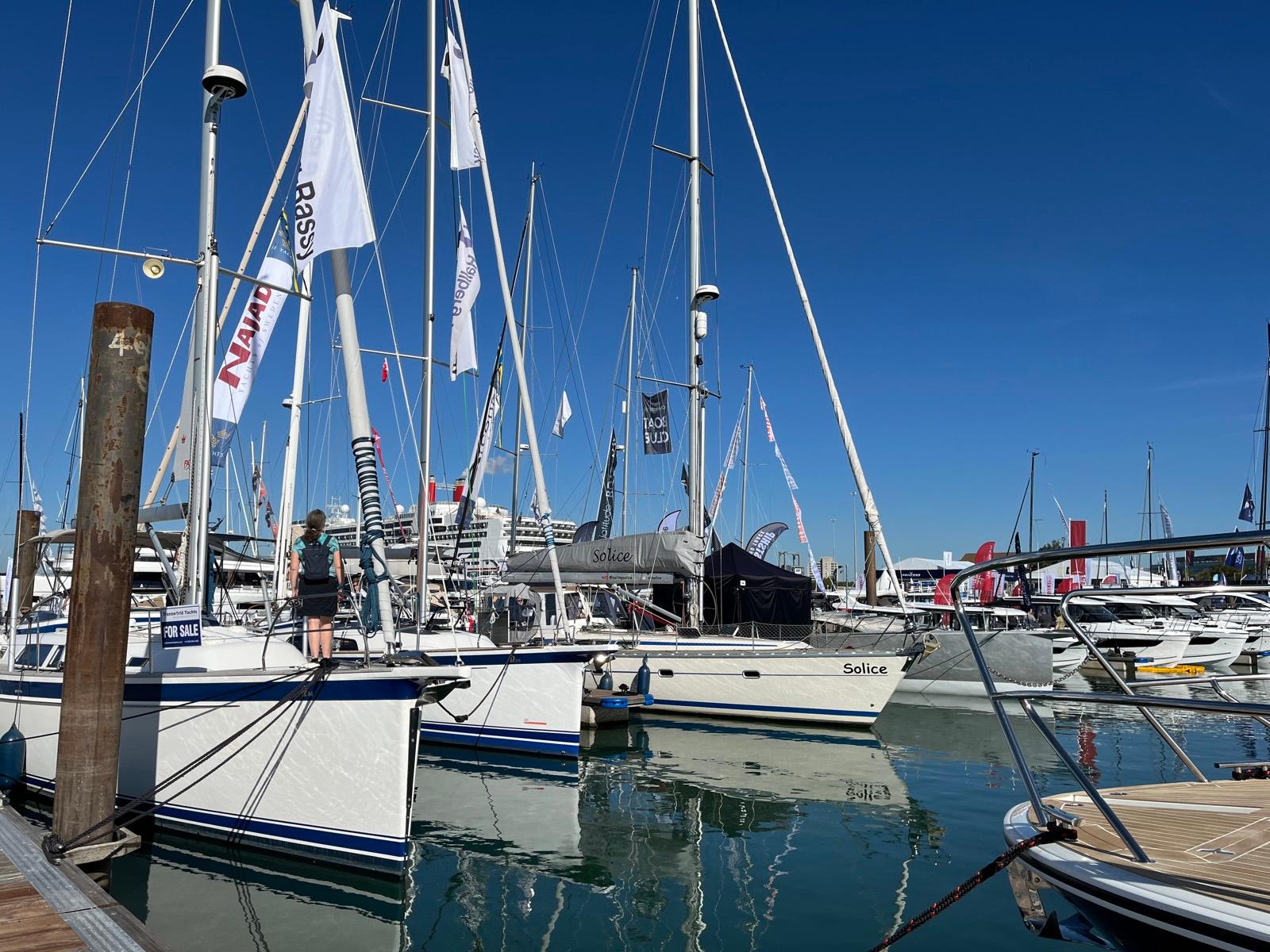
Southampton Boat Show 2026: The New Fleet
A walk round Southampton International Boat Show 2026, and what the new fleet adds to a survey: pod drives, outboard transoms and cored hulls.
What Makes a Survey Report Defensible
A report holds up when every sentence traces back to the day. How condition survey report software carries the record, and what the surveyor signs.
Narrowboat BSS vs Pre-Purchase Survey
A BSS certificate proves basic safety compliance, not structural condition. A narrowboat purchase still needs a separate pre-purchase survey.
Defect of the Week: Battery and Shore Power
'Electrics in working order' is not a finding. What a marine electrical survey records about battery fusing, RCD protection, and the earth path.
Defect of the Week: Through-Hull Seacocks
'Present and operational' is not a finding. How to inspect a through-hull seacock, grade dezincification, and document it so it holds up.

Seawork 2026: Tech Coming to the Yard
Propulsion, battery, and monitoring technology at Seawork previews what reaches small-craft pre-purchase surveys within 12 to 24 months.